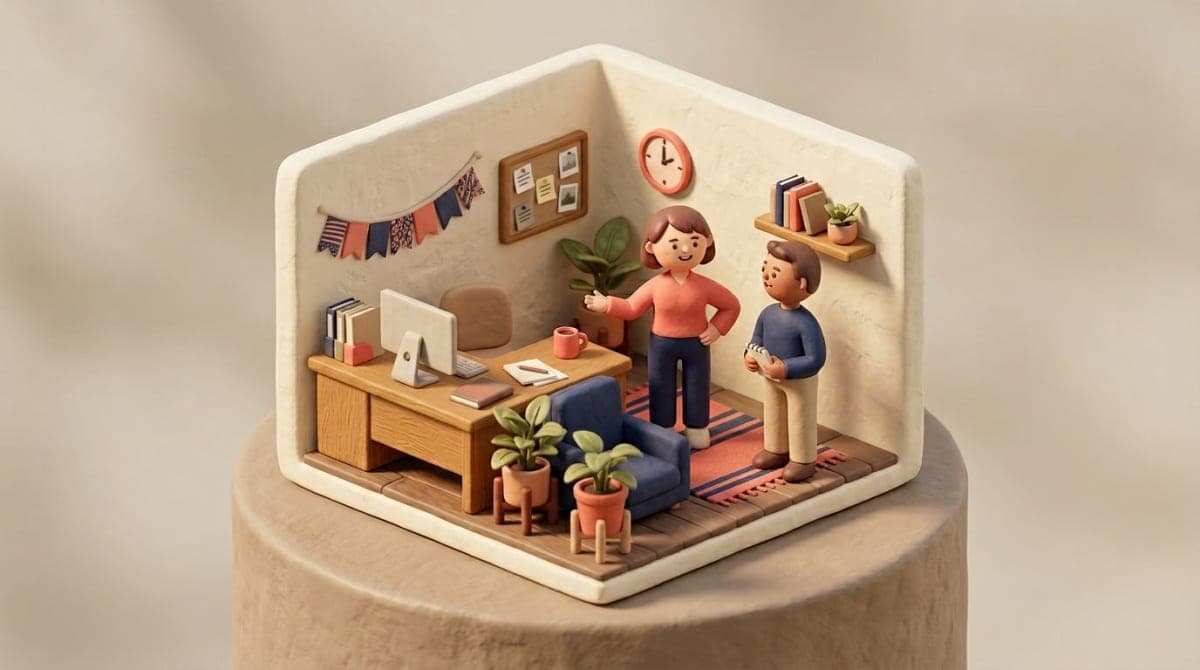
An onboarding buddy program pairs each new hire with a tenured colleague who guides them through their first weeks on the job. Unlike formal mentorship, buddy onboarding is lightweight, peer-driven, and focused on helping newcomers navigate day-to-day work life — from finding the right Slack channel to understanding unwritten team norms. For small teams especially, a buddy system at work can mean the difference between a confident new hire and one quietly searching for their next job.
What Is an Onboarding Buddy Program?
An onboarding buddy program is a structured peer support system where an experienced employee is assigned to a new hire for a set period — typically 30 to 90 days. The buddy isn't a manager, trainer, or mentor. They're a friendly colleague who answers the questions new hires feel uncomfortable asking their boss.
Think of it this way: managers handle what the job is. Buddies handle how things actually work around here.
A buddy might walk a new hire through unwritten norms ("we don't schedule meetings before 10am"), introduce them to people outside their direct team, or simply grab coffee and check in. It's informal, human, and remarkably effective.
Buddy vs. Mentor vs. Manager
| Role | Focus | Duration | Relationship |
|---|---|---|---|
| Onboarding Buddy | Day-to-day navigation, culture, logistics | 30–90 days | Peer-level, informal |
| Mentor | Career development, long-term growth | 6–12+ months | Senior-to-junior, structured |
| Manager | Performance, goals, role expectations | Ongoing | Direct report, formal |
The buddy role fills a gap that neither managers nor mentors cover well — the practical, social, "how do I order lunch?" layer of starting a new job.
Why Buddy Onboarding Works (The Data)
The business case for buddy programs isn't anecdotal. A pilot study at Microsoft involving over 600 new hires found that those paired with onboarding buddies reported significantly better outcomes across the board.
The results scaled with meeting frequency:
- 56% of new hires who met with their buddy at least once in the first 90 days said the buddy helped them become productive faster
- 73% of new hires who met 2–3 times said the same
- 97% of new hires who met 8+ times reported their buddy helped them become productive quickly
Beyond Microsoft, research from the Brandon Hall Group shows that companies with strong onboarding programs improve new hire retention by 82% and productivity by over 70%. A buddy program is one of the simplest ways to strengthen onboarding without adding headcount or cost.
For small teams running lean, these numbers matter even more. Losing a single hire in a 15-person company isn't just expensive — it disrupts everything. A buddy system is low-effort insurance against early turnover.

How to Set Up a Buddy Program (Step-by-Step)
Building an effective buddy program at work doesn't require a massive HR initiative. Here's a practical framework that works for teams of any size.
Step 1: Define the Program's Scope
Before recruiting buddies, clarify what the program is and isn't. Write a one-page guide that covers:
- Purpose: Help new hires feel welcomed and productive faster
- Duration: 60 days (adjust based on role complexity)
- Time commitment: 1–2 hours per week for the buddy
- Boundaries: Buddies don't handle performance feedback, training, or HR issues
Keep it simple. Overcomplicating the scope is the fastest way to kill participation.
Step 2: Recruit Volunteer Buddies
Never assign someone as a buddy against their will. Forced buddies create awkward, unhelpful experiences. Instead, put out a call for volunteers and look for people who:
- Have been at the company 6+ months
- Understand team culture and processes
- Communicate well and are approachable
- Genuinely want to help (not just padding their resume)
A small incentive helps — a gift card for a welcome coffee, public recognition in a team meeting, or a note in their performance review about their contribution.
Step 3: Match Thoughtfully
Matching matters more than most companies realize. Consider these factors:
- Same department or function (preferred for role-specific questions)
- Similar seniority level (peers feel more approachable than senior leaders)
- Compatible communication styles (an introvert paired with an extreme extrovert can backfire)
- Cross-functional pairings for second-round buddies (broadens the new hire's network)
A 22-person design agency in Portland tried random buddy assignments for six months before switching to intentional matching based on role and personality. Their new hire satisfaction scores jumped 34% after the switch.
Step 4: Brief Your Buddies
Don't assume good employees automatically make good buddies. Give them a 30-minute orientation covering:
- What's expected (meeting cadence, topics to cover)
- What's off-limits (performance discussions, salary questions)
- Conversation starters for the first meeting
- How to escalate issues they can't handle
- When the buddy period officially ends
Consider storing your buddy guide in a shared knowledge base. If you use a tool like Tiny Team's Documents feature, you can create a living internal wiki that buddies reference throughout the program.
Step 5: Launch and Introduce
Connect the buddy and new hire before the first day if possible. A quick welcome email from the buddy ("Hey, I'm your onboarding buddy — excited to help you get settled!") sets a warm tone before day one even begins.
On the first day, schedule a casual 15-minute introduction. Keep it light — no agendas, no company history lectures. Just two people getting to know each other.

Onboarding Buddy Checklist Template
Use this week-by-week checklist to keep buddy interactions on track. Adapt it to your team's pace and the new hire's role complexity.
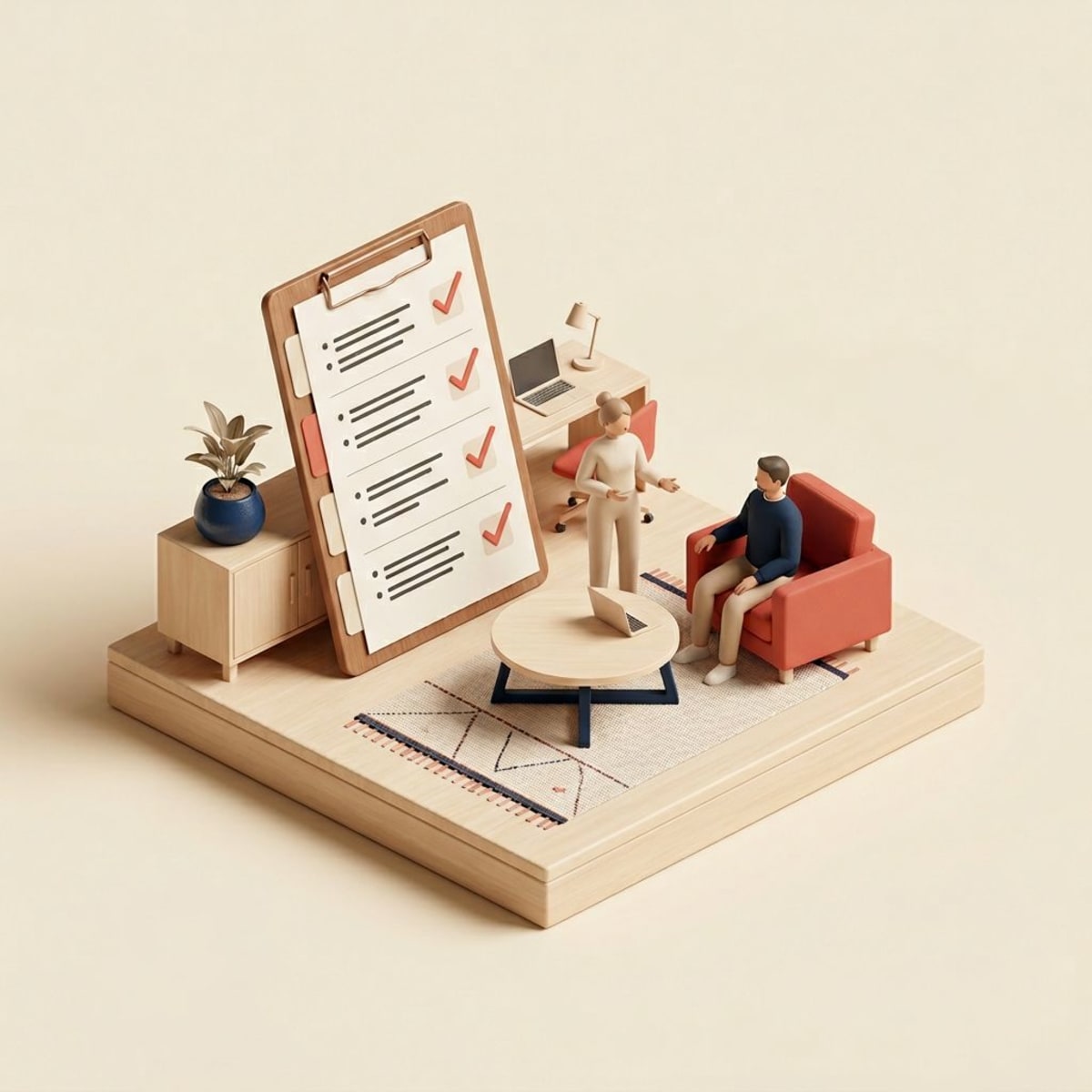
Week 1: Warm Welcome
- Introduce yourself and exchange contact info
- Give an informal office (or virtual workspace) tour
- Introduce the new hire to 3–5 key people outside their direct team
- Walk through daily routines — standup times, lunch norms, communication channels
- Share "unwritten rules" (e.g., camera-on culture, Slack response expectations)
- Have a casual lunch or coffee together
Week 2: Getting Settled
- Check in on how the first week went — what felt confusing?
- Help navigate internal tools and systems
- Introduce them to relevant cross-functional contacts
- Clarify any company jargon or acronyms they've encountered
- Share your own "when I started here" story to build rapport
Weeks 3–4: Building Confidence
- Move check-ins to 2x per week (15–20 minutes each)
- Ask: "What's one thing you wish was clearer?"
- Help them prepare for their first 30-60-90 day plan review if applicable
- Encourage them to attend optional team events or social channels
- Connect them with anyone they should know but haven't met yet
Month 2: Growing Independence
- Shift to weekly check-ins
- Discuss what's going well and what still feels unfamiliar
- Encourage the new hire to start building their own routines
- Ask if they have feedback on the onboarding process itself
- Celebrate small wins — first project completed, first client call, etc.
Month 3: Wrapping Up
- Final check-in: "Do you feel settled? What would you change about onboarding?"
- Transition from scheduled check-ins to an open-door relationship
- Both buddy and new hire complete a short feedback survey
- Thank the buddy publicly (Slack shoutout, team meeting mention)
How to Choose the Right Buddies
Not every great employee makes a great buddy. The best new hire buddies share a few specific qualities that go beyond tenure or seniority.
Patience over expertise. A buddy who knows everything but rushes through explanations is less helpful than someone with moderate knowledge and genuine patience. New hires need space to ask "dumb" questions without feeling judged.
Cultural fluency. The best buddies understand the company's real culture — not the one in the handbook, but the one people actually live. They know which meetings matter, which Slack channels are active, and how decisions really get made.
Reliability. Buddies who cancel check-ins or forget to follow up do more harm than having no buddy at all. Choose people who consistently follow through on commitments.
Emotional intelligence. Starting a new job is stressful. Good buddies read the room — they know when a new hire needs encouragement, when they need space, and when they need someone to vent to.
Pro tip: After each buddy cycle, ask new hires to nominate who they think would make a great buddy. The people who made them feel welcome are often your best candidates for the next round.
Common Mistakes to Avoid
Even well-intentioned buddy programs fail when companies make these errors:
-
Pairing buddies with direct managers. The whole point is having someone who isn't your boss. New hires won't ask their manager "Is it okay to leave at 5?" but they'll ask a buddy.
-
No structure at all. "Just check in sometimes" isn't a program — it's a suggestion. Provide a basic checklist and meeting cadence so buddies know what's expected.
-
Overloading your best people. Your most engaged employees get volunteered for everything. Rotate buddy assignments so the same three people don't burn out.
-
Skipping the feedback loop. If you never ask new hires or buddies how the program went, you can't improve it. A simple 5-question survey at the 60-day mark is enough.
-
Ending too abruptly. Don't just stop at day 30 with no transition. Gradually reduce meeting frequency and make it clear the buddy is still available informally.
-
Forgetting remote onboarding adjustments. Virtual buddy relationships need more intentional touchpoints — video calls instead of messages, virtual coffee chats, and async check-in channels.
How Long Should a Buddy Program Last?
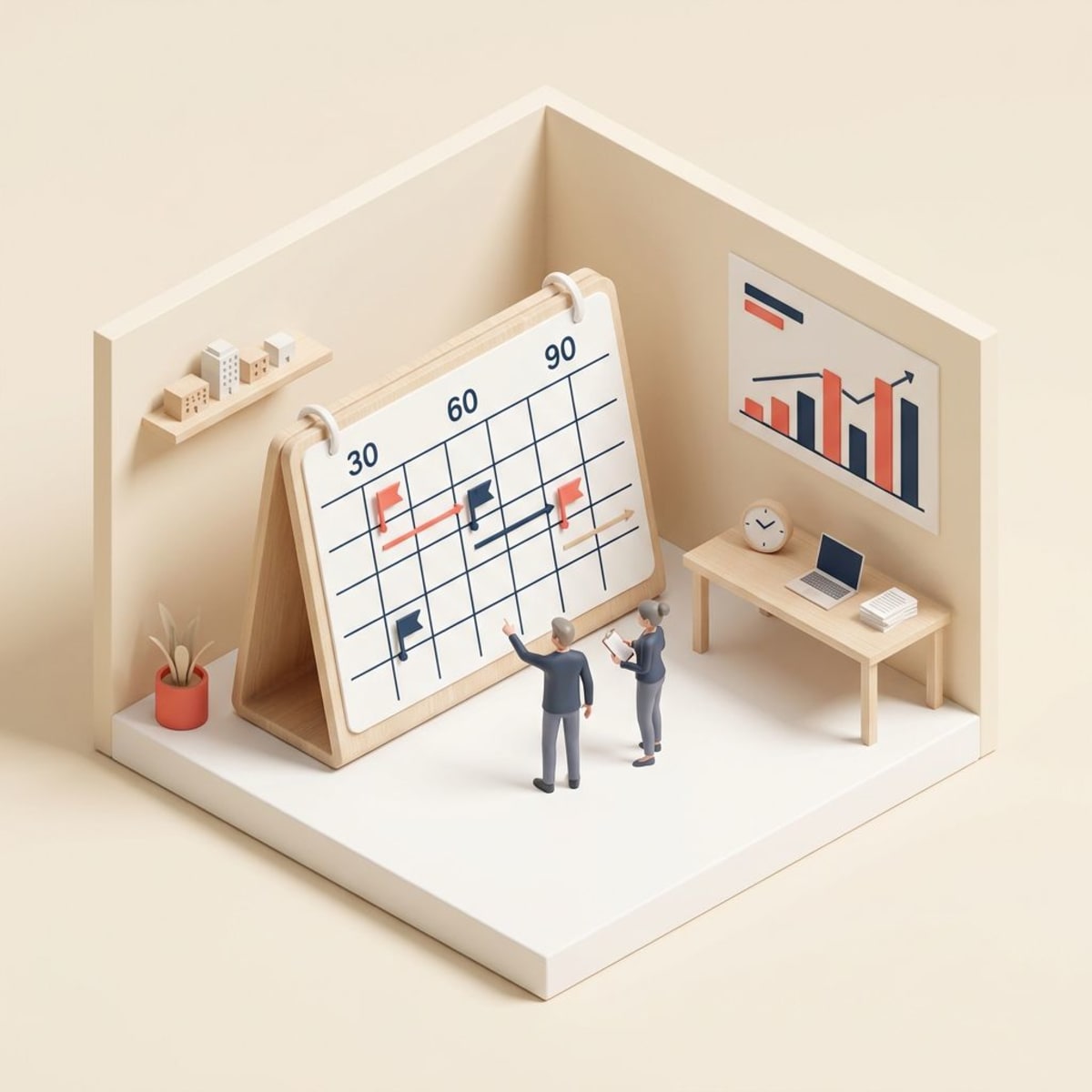
There's no universal answer, but most successful programs follow a 60–90 day framework. Here's how to think about timing:
30 days works for simple roles in small, tight-knit teams where the new hire interacts with everyone daily. If someone can learn the ropes in a month, don't stretch it artificially.
60 days is the sweet spot for most positions. It covers the initial overwhelm period, gives enough time for meaningful relationship-building, and aligns with common probation period timelines.
90 days is appropriate for complex roles, remote-first companies, or organizations with layered processes. The Microsoft study showed that buddy impact continued scaling through the full 90-day period.
Signs the Program Is Working
- New hires report feeling "settled" faster than before the program existed
- Early turnover (first 90 days) decreases
- New hire satisfaction scores on onboarding surveys improve
- Buddies report the experience as positive and volunteer again
- Managers notice new hires ramping up faster
If you're tracking onboarding milestones, a tool like Tiny Team can help you monitor new hire progress and keep buddy assignments organized in one place.
Frequently Asked Questions
What is the difference between an onboarding buddy and a mentor?
An onboarding buddy focuses on short-term, practical support — helping new hires navigate daily work life during their first 30–90 days. A mentor focuses on long-term career development over months or years. Buddies are typically peers, while mentors are usually more senior. Both are valuable, but they serve different purposes. According to SHRM, combining both in your overall onboarding strategy yields the strongest results.
How many hours per week should a buddy spend with a new hire?
Plan for 1–2 hours per week during the first month, then tapering to 30 minutes weekly in months two and three. This includes scheduled check-ins, casual conversations, and responding to quick questions. The time investment is minimal compared to the cost of replacing an employee who leaves due to poor onboarding.
Can buddy programs work for remote teams?
Absolutely. Remote buddy programs require more intentional scheduling — video calls instead of hallway conversations, async check-in channels, and virtual coffee chats. The core principles remain the same: provide a friendly, accessible point of contact who helps the new hire feel connected. Many companies pair remote buddies in the same time zone to make scheduling easier.
What if a buddy pairing isn't working?
Address it early. If either person reports friction, reassign without blame. Not every pairing clicks, and that's okay. Build a "no-fault swap" policy into your program from day one. Check in with both parties at the two-week mark to catch mismatches before they become problems.
Should buddies be from the same department?
For the primary buddy, yes — same department or function works best because they can answer role-specific questions. Some companies add a secondary cross-functional buddy in month two to broaden the new hire's network across the organization. This is especially useful at companies with 20–50 people where cross-team collaboration is frequent.
How do you measure the success of a buddy program?
Track three metrics: new hire satisfaction scores (via survey at 30 and 60 days), early turnover rate (first 90 days), and time-to-productivity (manager assessment). Compare these numbers before and after launching the program. Even a simple before-and-after comparison over two quarters gives you enough data to justify continuing or adjusting the program.