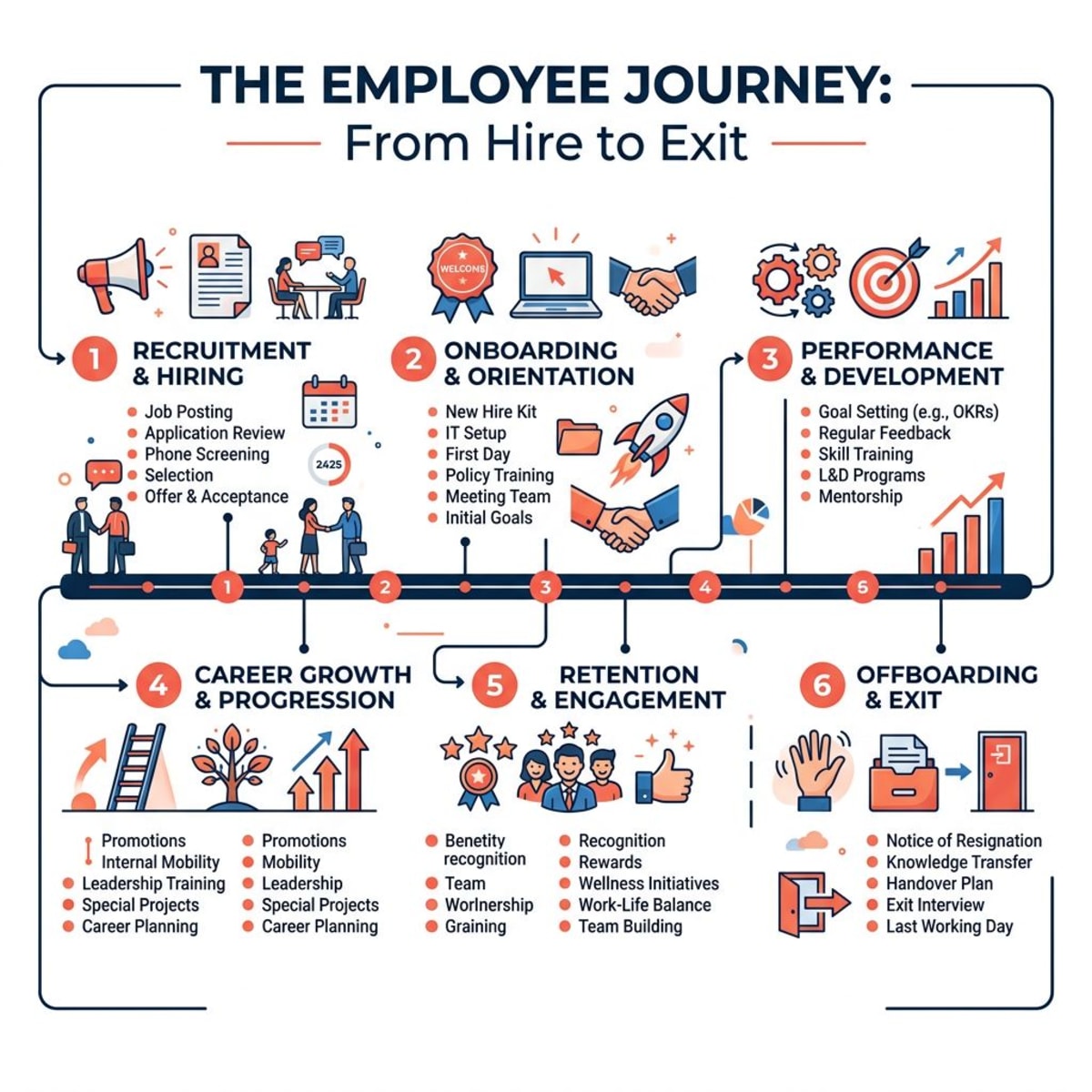
Employee experience covers every moment a worker has with your company. It starts at the first interview. It ends on their last day. For small teams, great EX is not about fancy perks. It is about making people feel valued every day.
Small teams of 5 to 100 people must be smart with their money. But you have real edges. You make choices faster. You know each other better. You can change things in days, not months.
Gallup's 2025 research tells a clear story. Teams with engaged workers see 23% higher profits. They also get 18% more output. For small teams, even small EX gains drive big results.
This guide gives you a hands-on plan for better employee experiences. No big budget needed. Just smart choices.
We will cover what EX really means, why it matters so much, and the five stages of the journey. Then we will share ten proven ways to make things better right away.
What Is Employee Experience?
Employee experience (EX) is the sum of all workplace moments. It covers your office, your tools, your culture, and your managers. Think of it like customer experience, but turned inward.
You design touchpoints for buyers to keep them happy. Do the same for your team. The goal is loyalty, joy, and pride in the work.
Key parts of EX include:
- Workspace and tools — your office, desks, software, and hardware
- Culture — your values, how you talk, and social bonds
- Manager ties — feedback, coaching, and daily support
- Growth — career paths, learning, and praise
- Day-to-day basics — pay, time off, and work-life balance
Why Small Teams Have the Edge
Big companies fight red tape. Small teams skip all that.
Close bonds matter. In a 20-person team, everyone knows everyone. Praise feels real. Talks are direct. Issues get fixed fast.
You can move quickly. The founder sits nearby. Feedback becomes action in days, not quarters. No long approval chains.
Each person's work shows. In small teams, one person's effort clearly moves the needle. That drives real drive that no program can match.
When people feel seen and heard, they stay. They do better work. They tell friends to apply. That is the power of good EX.
Big firms spend millions on EX programs. Small teams do not need that. Your size is your secret weapon. Use it well.
Why Employee Experience Matters
In small teams, every person plays a key role. One bad experience can not hide behind hundreds of others. It hits the whole business.
Keeping People Saves Real Money
SHRM's 2025 report says it costs $4,700 to replace one worker. Senior roles cost far more. For a 20-person team, losing two people means $10,000 or more gone.
The hidden costs hurt even more. Projects stall. Know-how walks out the door. The rest of the team works overtime to cover the gaps. Burnout spreads.
Great EX also helps you hire. You may not match big-company pay. But you can offer a better place to work. That draws people who want meaning, growth, and strong bonds. Our exit interview questions guide helps you learn why people leave so you can fix it.
Think of EX as a savings plan. Every good moment builds a buffer. When hard times come — and they will — that buffer keeps people loyal. Without it, one bad month can push top talent out the door.
Output Goes Up
Gallup data shows engaged workers are 17% more productive. They take 41% fewer sick days. In small teams, those gains go straight to the bottom line.
Engaged people make 70% fewer mistakes too. They treat clients better. For small firms, that level of quality is how you survive and grow.
Culture Moves Fast
One unhappy person can drag down a small team's mood. One great moment can lift everyone. Good EX creates a cycle where good vibes feed more good vibes.
Your team members also speak for your brand every day. They talk to clients, partners, and friends. Their energy shapes how others view your company. Make sure that energy is good.
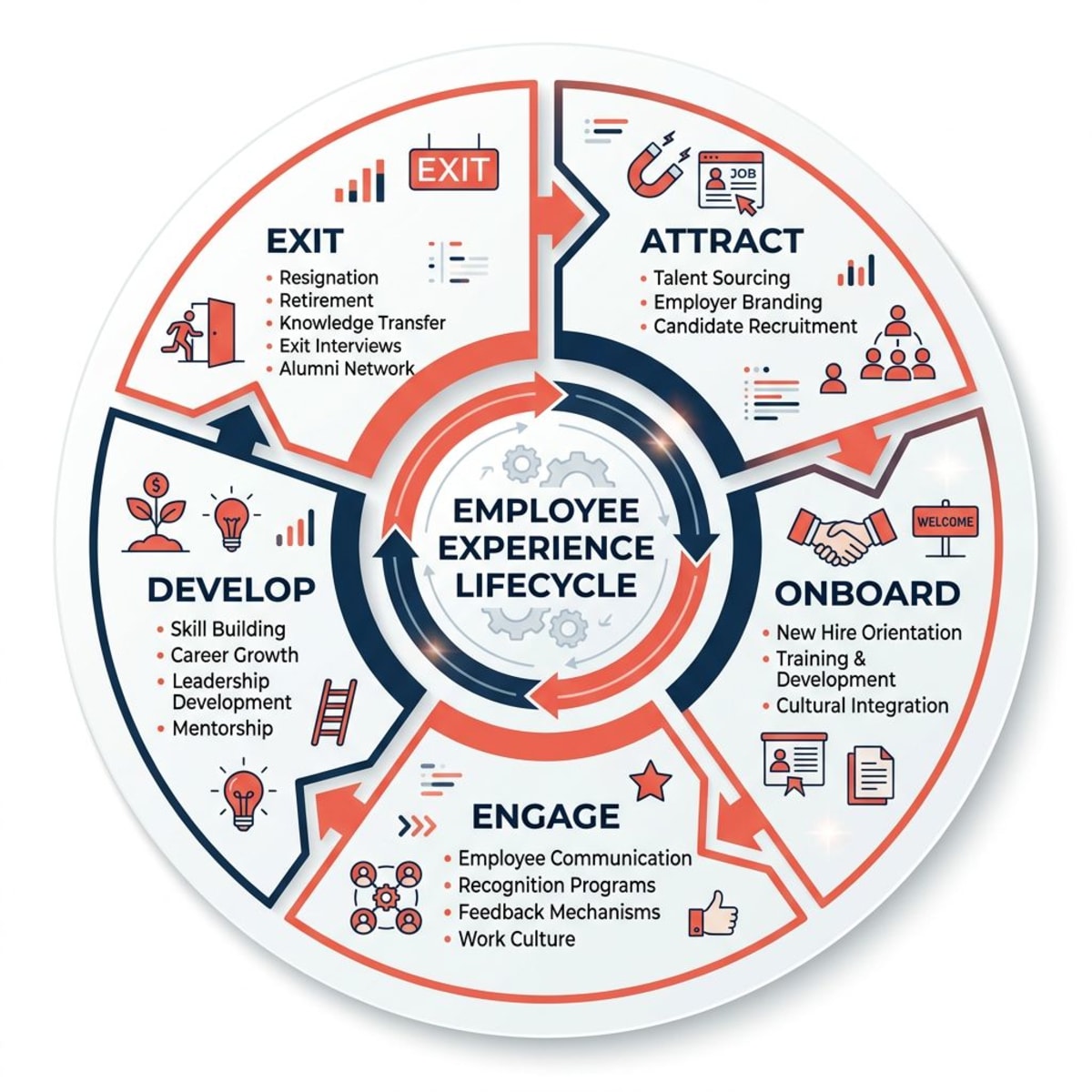
The 5-Stage Employee Experience Map
To find your biggest wins, map the full journey. Here is each stage and what to focus on.
Stage 1: Attract
EX starts before someone joins you. How you hire sets the tone for everything.
What to do:
- Write honest job posts with real team photos
- Run a fast, smooth interview process
- Have the founder call with the job offer
- Send a welcome note or gift before day one
One 15-person agency tried this. Their offer accept rate jumped from 60% to 85%. Small touches make a big impact.
Also, be clear about the hard parts of the job. Honest job posts attract people who truly fit. They filter out those who do not. That saves time for everyone.
Stage 2: Onboard
Harvard Business Review found that great onboarding boosts 3-year retention by 70%. For small teams, that is huge.
Make the first 90 days count:
- Build a 30-60-90 day plan with clear goals
- Give each new hire a work buddy and a culture buddy
- Set up coffee chats with every team member
- Hand out real work from week one
Small teams shine here. New hires meet leaders on day one. Training fits the person. Wins come fast. For a step-by-step guide, see our new hire onboarding checklist.
Stage 3: Engage
This is the longest stage. It is the daily grind that shapes how people feel long-term.
Three things matter most:
- Work with meaning. Link each task to a business goal. Show people how their work helps clients.
- Freedom. Set clear targets. Then let people choose their own path to hit them.
- Growth. Offer new skills and fresh tasks all the time. No one wants to feel stuck.
Let people try cross-team projects. Share client praise openly. Create lead roles for key tasks. For a ready-to-use feedback system, check our performance review examples.
Do not forget the basics, though. Fair pay, good tools, and a safe space to speak up matter just as much as big-picture goals. Get the basics right first. Then build on top of them.
Stage 4: Develop
Small teams can not always offer a title bump. But growth is more than titles.
Smart ways to help people grow:
- Pair them with outside mentors from your network
- Pay for courses, books, or events
- Give stretch tasks that push skills further
- Rotate who leads team meetings or projects
People stay when they learn new things. Side moves and new skills count just as much as a promotion. Show your team you invest in them.
Set aside a small learning budget for each person. Even $500 a year per head sends a strong signal. It says, 'We care about your future here.' That message builds loyalty fast.
Stage 5: Exit
How you handle people leaving affects everyone who stays. A good exit turns past workers into fans and future hires.
Handle exits well:
- Stay calm and kind with every resignation
- Use the transition to write down key processes
- Keep a good bond with people who leave
- Run a thorough exit interview to learn what you can do better
Build an alumni network. Past employees send referrals. Some even come back. Treat every exit as a chance to learn and improve.
The way you say goodbye says a lot about your culture. Other team members watch closely. A warm, fair exit tells them they are safe too.
How to Measure Employee Experience
You can not fix what you do not track. Small teams need light methods that give real data.
Surveys
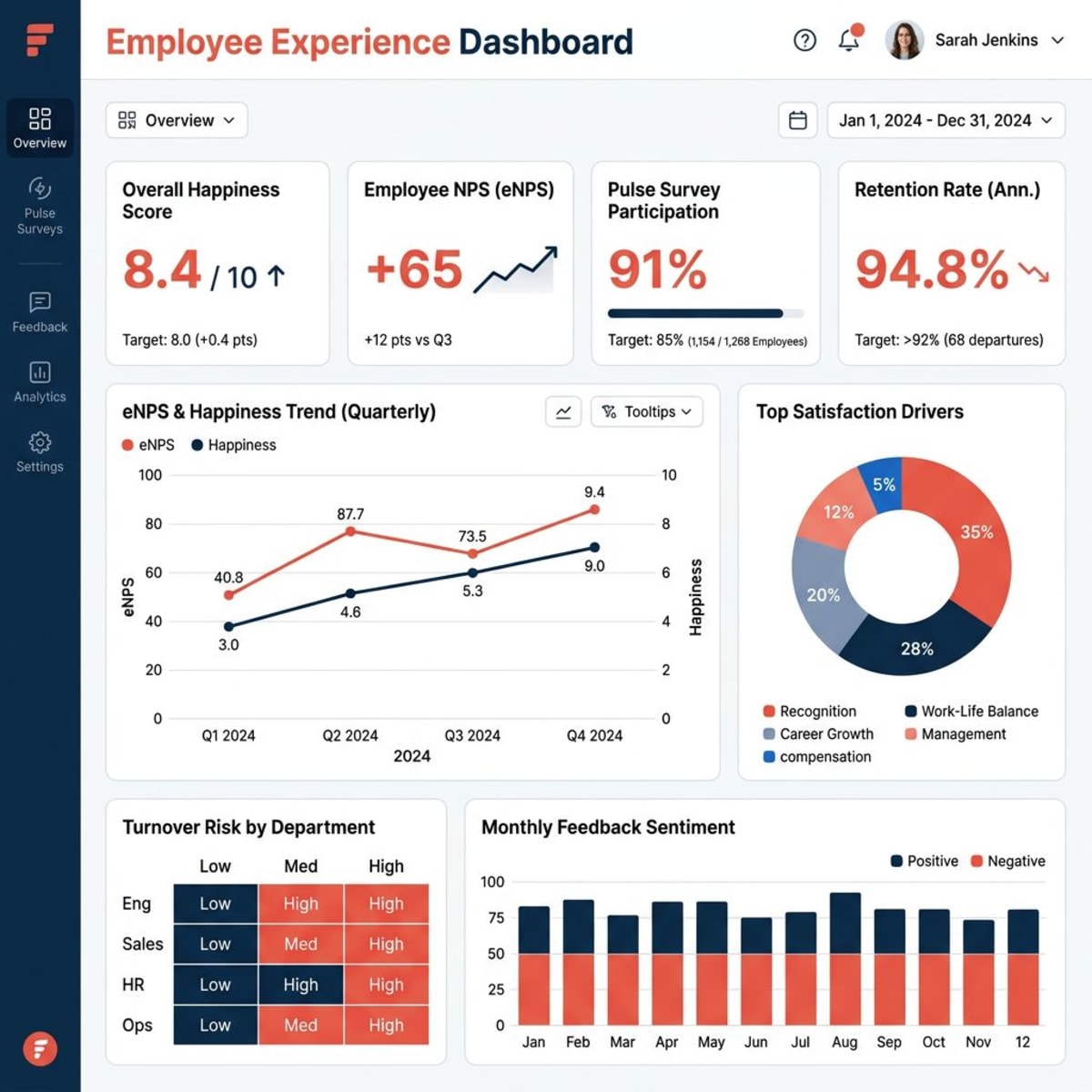
eNPS (Employee Net Promoter Score): Ask one question each month. "Would you tell a friend to work here?" Score it 0 to 10. Watch the trend over time.
Pulse surveys: Send 5 to 10 questions each quarter. Ask about manager support, workload, praise, and growth.
Key rules: Keep surveys short. Make them nameless. Always share what you learn and what you plan to change.
Talks
Stay interviews beat exit interviews hands down. Ask what people love. Ask what bugs them. Ask what might make them quit. You can still act on the answers before it is too late.
One-on-ones should happen every week. Use a simple set of questions: What is going well? What is hard? What do you need from me?
Watching for Signs
Track your turnover rate, sick days, and who shows up to optional events. If absence goes up or event turnout drops, something is off. Keep your employee directory up to date so you can spot trends across the team.
A simple tracking rhythm:
- Monthly: Quick pulse check with 2 to 3 questions
- Quarterly: Longer survey with 10 to 15 questions
- Yearly: Full review plus stay interviews with everyone
- Always: Weekly one-on-ones and open feedback channels
Do not wait for perfect data. Even rough trends help. If your eNPS drops two months in a row, dig deeper. If turnover spikes, act fast. The point is to catch problems early, not to build a perfect dashboard.
10 Ways to Improve Employee Experience
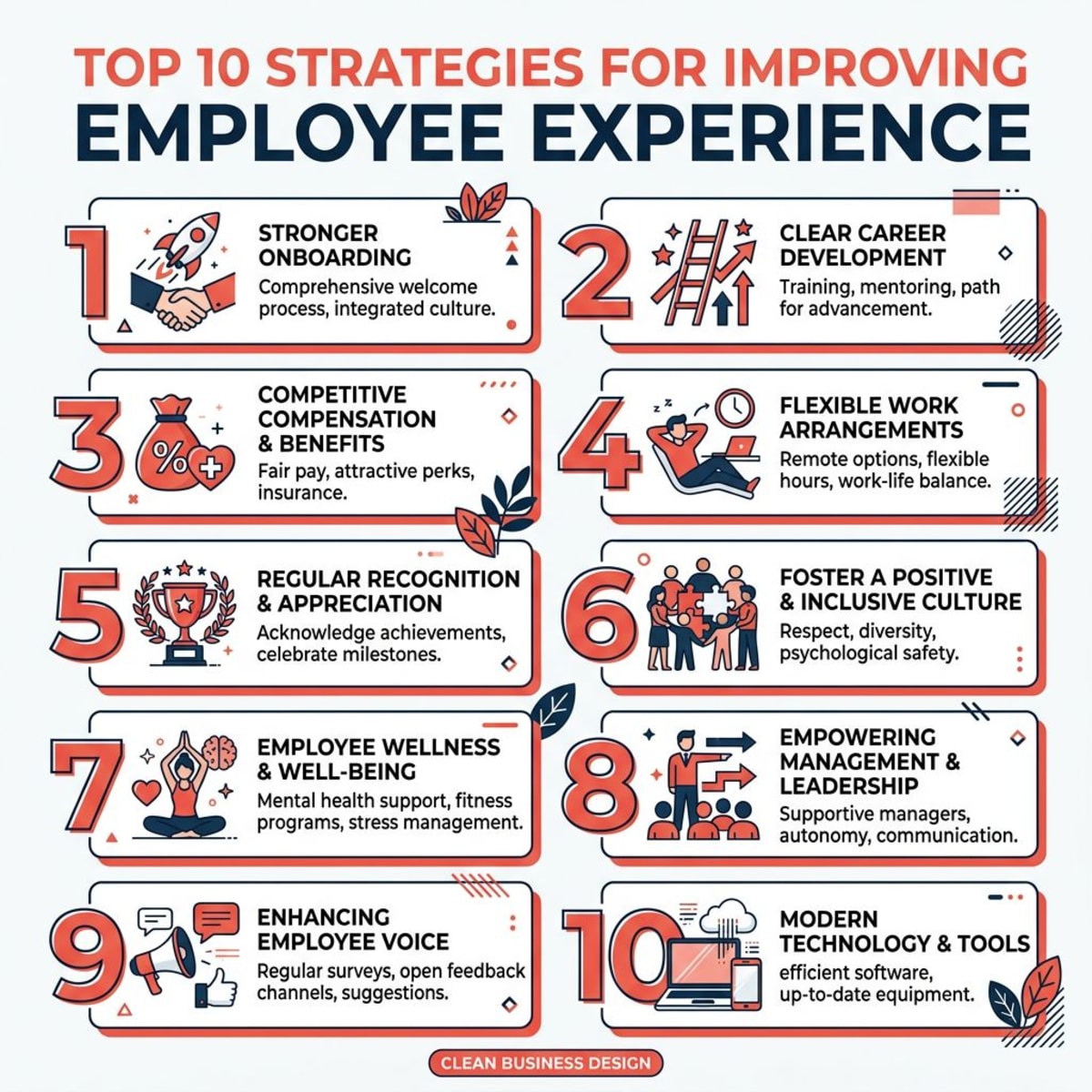
Here are hands-on moves you can start this week. No big spend needed.
1. Make Onboarding Personal
Build a 90-day plan for each new role. Assign buddies. Set check-ins at weeks 1, 4, 8, and 12. Tailor training to the person, not the job title.
First days set the tone for years. A warm welcome builds trust fast. A cold one plants doubt that is hard to undo.
2. Fix Your Tools
Ask your team what slows them down most. Sometimes a second screen or better headset changes everything. The payback in output is fast and clear.
3. Build Feedback Loops
Weekly one-on-ones beat yearly reviews every time. Use the same format each week. Focus on help, not control. Ask what blockers exist and clear them.
Good feedback goes both ways. Ask your team to rate you as a manager too. What could you do better? That shows humility. It also gives you data to improve your own skills.
4. Praise Good Work
Be quick and specific. Some people like a shout-out in a team call. Others want a quiet thank-you note. Ask each person what they prefer. Then do it often.
5. Offer Flex Options
Remote days, flex hours, or shorter work weeks. Judge results, not desk time. Small teams can set these rules fast with no red tape.
Flex work is not a perk anymore. Workers expect it. If you do not offer it, you lose good people to firms that do. Start with one or two flex days per week. See how it goes. Adjust from there.
6. Create Growth Paths
Mix upward moves with side moves. Fund courses and books. Assign stretch tasks. Pair people with mentors outside the company. Show them a future with you.
7. Talk Openly
Weekly team updates. Monthly all-hands. Quarterly reviews of business goals. Share the hard stuff along with the wins. Trust builds when you are honest. For remote teams, our remote team management guide has more ideas.
8. Build Real Bonds
Walking meetings. Shared lunches. Game nights. Book clubs. These low-cost things build trust and make work more fun. Strong bonds lead to better teamwork.
For remote teams, plan virtual coffee chats or online game sessions. Pair people who do not work together often. Cross-team bonds break down silos and spark new ideas.
9. Cut the Red Tape
Digital forms beat paper. Shared calendars beat email chains. One HR tool beats five apps. Tiny Team handles PTO, profiles, and team updates in one place. Less admin means more time for real work.
10. Guard Work-Life Balance
Set the tone from the top. Stop after-hours emails. Make sure people take their days off. Check workloads often. Burnout kills good EX faster than anything else.
Watch for warning signs. If someone works late every night, check in. If no one uses their PTO, find out why. Balance is not just a nice idea. It is what keeps your team healthy and sharp.
Employee Experience vs Employee Engagement
People mix these up a lot. Here is the clear split.
Employee experience is what you build. It covers tools, rules, culture, and how managers act. You control these things directly. They are your inputs.
Employee engagement is how people respond. It is their drive, passion, and bond with the mission. You can shape it, but you can not force it. It is the output.
How they connect: Better inputs lead to better outputs. Focus on the things you control — the experience. Engagement follows when the experience is right.
But people are different. What fires up one person may bore another. That is why you must know your team. Ask what each person values. Then shape the experience to fit.
Here is a simple test. If your tools are great but morale is low, look at culture and management. If your culture is warm but people still leave, check your tools, pay, and growth paths. EX is the whole picture.
Frequently Asked Questions
How do you create an employee experience strategy?
Start by mapping your current employee journey. Note every step from hiring to exit. Find the pain points at each stage. Ask your team what matters most to them. Then pick 2 to 3 areas to fix first. Set due dates and owners. Track your progress with simple scores like eNPS and turnover rate.
What is an employee experience platform?
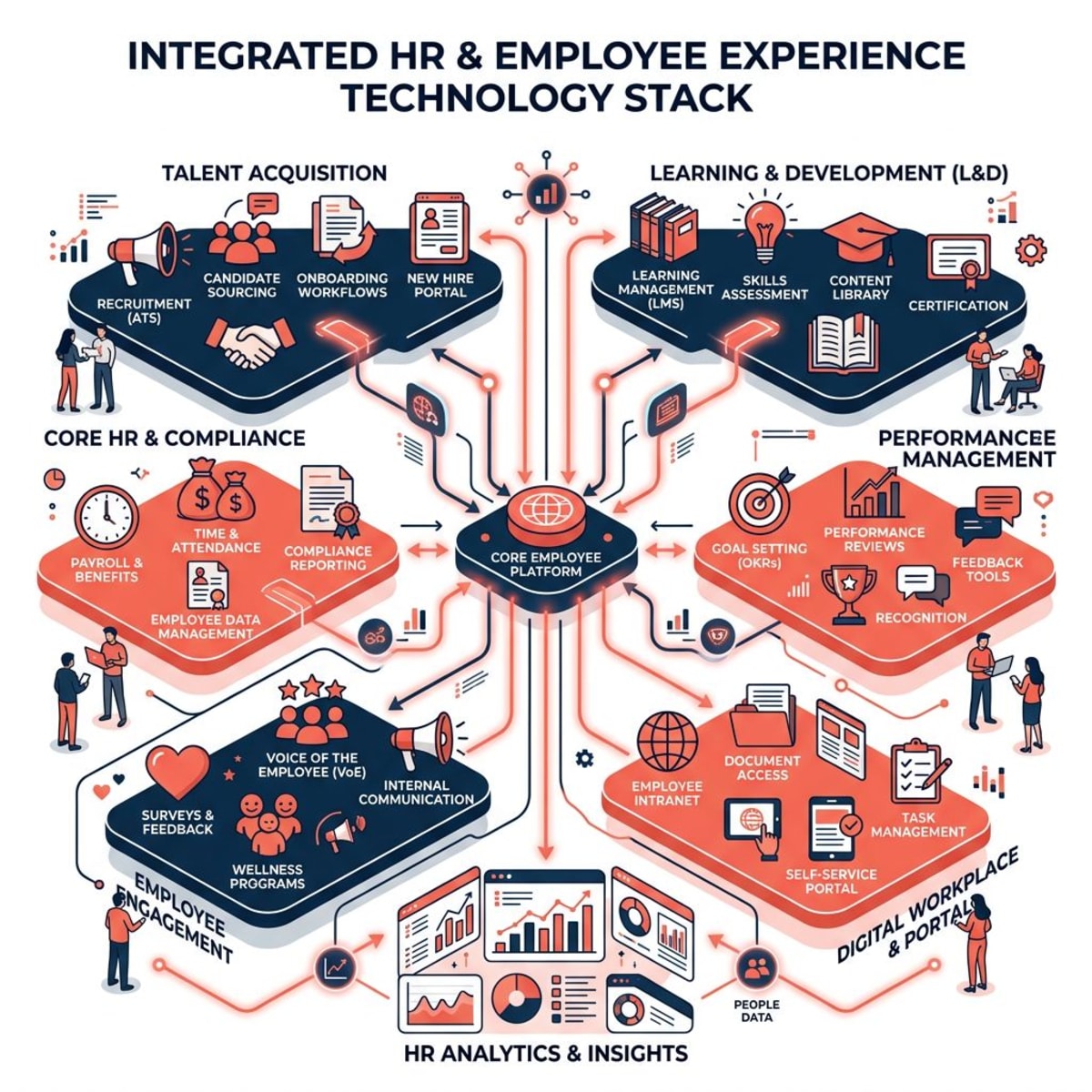
It is software that helps you manage the full employee life cycle. This means HR admin, comms, reviews, and culture tools in one place. Platforms like Tiny Team put all these tasks under one roof. Less tool switching means a smoother day for everyone.
How does employee experience impact retention?
Good EX fixes the top reasons people quit. Bad bosses, no growth, and poor tools top that list. Teams with strong EX see up to 40% less turnover. The effect is bigger in small teams. Daily moments carry more weight when there are fewer people.
Can small businesses compete on employee experience?
Yes. Small teams give personal care and fast choices. Leaders are easy to reach. Each person's impact is clear. Many workers value these things more than a big paycheck. Play to your strengths. Build a culture that big firms can not copy. Your size lets you treat each person as a whole human, not a number on a spreadsheet.
How much should small companies invest in EX?
Start with 2 to 3% of your total pay budget each year. Many of the best changes cost nothing. Better talks, clear feedback, and flex rules are free. The return shows up fast in lower turnover and higher output.
What is the difference between employee experience and company culture?
Culture is your shared values and habits. Experience is the broader system. It includes tools, workflows, office space, rules, and culture all mixed together. You can have a warm culture but bad tools. Or smooth systems but weak bonds. Strong EX needs both parts working well.
Great employee experience in small teams comes from smart design. Map the journey. Fix the worst pain points first. Then keep making it better based on what your team tells you.
Small teams have natural edges here. Close bonds, fast action, and clear impact. Use them. Pair those strengths with good tools and clear steps. The result is a workplace people truly want to join and stay in.
Do not try to fix everything at once. Pick the two or three areas that need the most help. Work on those first. Once you see gains, move to the next set. EX is a long game. Play it well and your team will thank you with loyalty, great work, and strong word of mouth.